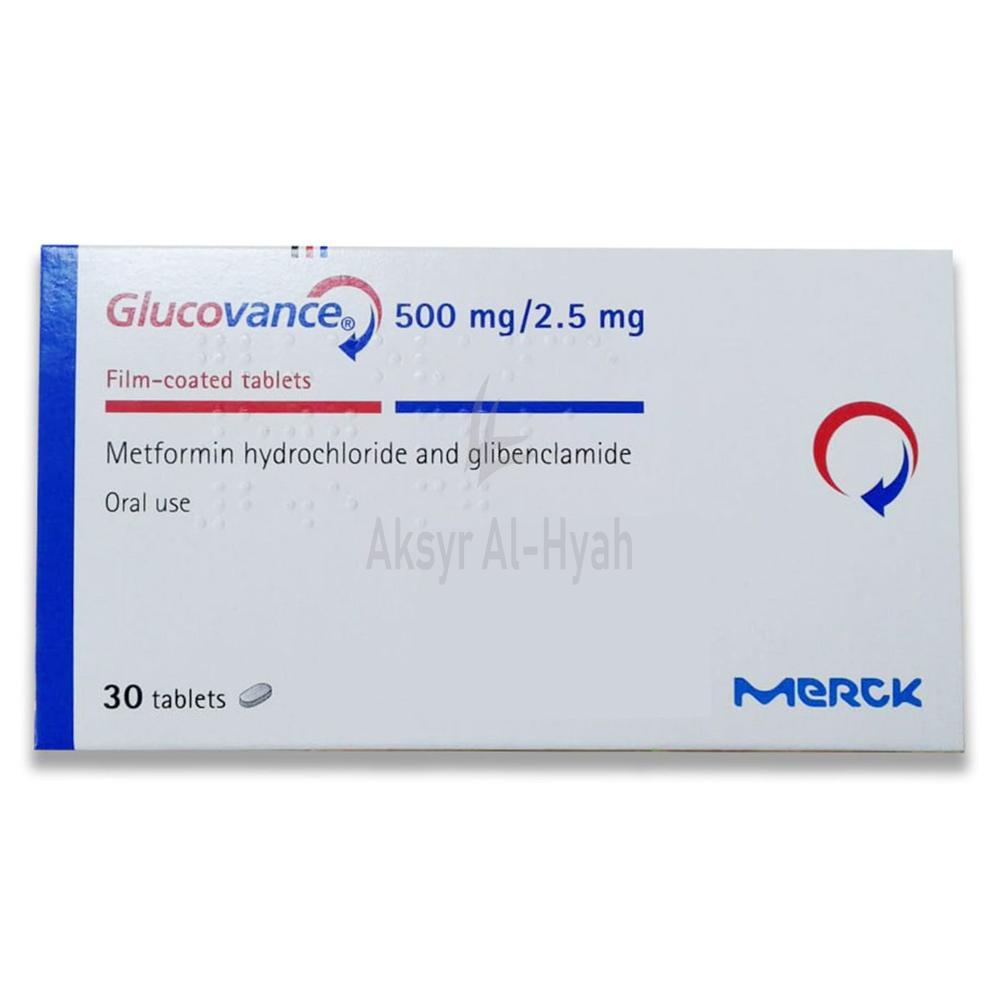
GLUCOVANCE 500MG/2.5MG 30'S
- QR 17.00
Available
Glucovance 500/2.5 mg is a combination oral tablet containing metformin and glibenclamide, used to manage type 2 diabetes. It helps control blood sugar by improving insulin sensitivity and stimulating insulin release. Pack of 30 tablets, taken with meals as prescribed.
Take as prescribed by your doctor. Usually once or twice daily, depending on your doctor’s recommendation. Always take with meals. Take the tablet during or immediately after food to reduce stomach upset and lower the risk of hypoglycemia. Swallow the tablet whole. Do not crush, chew, or break the tablet. Do not skip meals. Skipping meals while taking glibenclamide may cause low blood sugar (hypoglycemia). If you miss a dose: Take it as soon as you remember unless it is almost time for the next dose. Do not double the dose to make up for a missed one. Monitor your blood sugar regularly. Follow your healthcare provider’s advice on checking your blood glucose levels. Be aware of hypoglycemia symptoms: Sweating, shakiness, dizziness, hunger, confusion, irritability, or rapid heartbeat. Do not stop or change your dose without consulting your doctor.
Brand Name: Glucovance Active Ingredients: Metformin Hydrochloride – 500 mg Glibenclamide (Glyburide) – 2.5 mg Dosage Form: Oral tablet Strength: 500 mg Metformin / 2.5 mg Glibenclamide per tablet Pack Size: 30 tablets per pack Route of Administration: Oral Therapeutic Class: Oral antidiabetic combination medication Indication: Management of type 2 diabetes mellitus when monotherapy is insufficient Storage Conditions: Store below 25°C (77°F) Keep in a dry place away from moisture and direct sunlight Keep out of reach of children
Take only as prescribed by your healthcare provider. Do not change dose without medical advice. Always take with meals to reduce stomach upset and lower the risk of low blood sugar (hypoglycemia). Do not skip meals while on this medication to avoid hypoglycemia caused by glibenclamide. Be alert for symptoms of low blood sugar: Sweating, shakiness, dizziness, confusion, irritability, hunger, rapid heartbeat. Avoid alcohol consumption, as it increases risk of hypoglycemia and lactic acidosis. Inform your doctor if you have kidney or liver problems, heart disease, or other serious health conditions. Regular monitoring of blood glucose and kidney function is important. Tell your doctor before surgery or imaging tests involving contrast dyes; medication may need to be paused. Pregnancy and breastfeeding: Use only if clearly needed and under medical supervision. Store in a cool, dry place away from moisture, heat, and direct sunlight. Seek immediate medical help if you experience symptoms of lactic acidosis, such as: Muscle pain or weakness, difficulty breathing, stomach pain, dizziness, or feeling cold.
Dual Mechanism for Effective Blood Sugar Control Combines metformin’s action of lowering glucose production and improving insulin sensitivity with glibenclamide’s ability to stimulate insulin secretion. Improved Management of Type 2 Diabetes Helps control both fasting and postprandial blood glucose levels for better overall glycemic control. Lower Dose of Glibenclamide Suitable for patients who require a milder sulfonylurea dose, reducing the risk of hypoglycemia. Convenient Combination Therapy Combines two drugs into one tablet, simplifying medication schedules and improving adherence. May Delay the Need for Insulin Helps some patients maintain blood sugar control without progressing to insulin therapy. Potential Weight Neutrality Metformin component may assist in weight management compared to other antidiabetic drugs.
Medication Class: Combination of metformin (biguanide) and glibenclamide (sulfonylurea). Purpose: Used to improve blood sugar control in type 2 diabetes patients when single therapy is not sufficient. Mechanism of Action: Metformin decreases glucose production in the liver and improves insulin sensitivity. Glibenclamide stimulates the pancreas to produce more insulin. Common Side Effects: Hypoglycemia (low blood sugar) due to glibenclamide. Gastrointestinal symptoms like nausea, vomiting, diarrhea, and abdominal discomfort. Contraindications: Severe kidney or liver problems. History of lactic acidosis or diabetic ketoacidosis. Allergic reactions to metformin or glibenclamide. Precautions: Monitor blood sugar and kidney function regularly. Avoid alcohol, which can increase risks. Pregnancy & Lactation: Use only if clearly needed and advised by a doctor. Storage: Store tablets at room temperature, away from moisture and heat. Additional Notes: Combination therapy targets blood sugar control via two pathways. Lifestyle changes such as diet and exercise enhance treatment effectiveness.
Ingredient Amount per Tablet Metformin Hydrochloride 500 mg Glibenclamide (Glyburide) 2.5 mg
Know Your Product
Glucovance 500/2.5 mg is a combination oral medication prescribed for the treatment of type 2 diabetes mellitus when monotherapy with either metformin or sulfonylurea alone is inadequate for blood glucose control. The tablet contains two active ingredients: Metformin Hydrochloride (500 mg): A biguanide that lowers blood glucose levels primarily by decreasing hepatic glucose production, improving insulin sensitivity, and reducing glucose absorption from the gut. Glibenclamide (2.5 mg): A sulfonylurea that stimulates pancreatic beta cells to release insulin, increasing insulin availability to lower blood sugar. This combination offers a complementary mechanism of action, helping patients achieve better glycemic control. The lower dose of glibenclamide is often preferred for patients who are more sensitive to sulfonylureas or are at increased risk of hypoglycemia. Glucovance tablets should be taken orally, typically once or twice daily with meals to reduce gastrointestinal side effects and minimize the risk of low blood sugar. Patients must follow their healthcare provider’s directions carefully and undergo regular monitoring of blood glucose and kidney function. The medication is contraindicated in patients with severe renal or hepatic impairment and those with a history of lactic acidosis. Caution is advised when treating elderly patients or those with comorbid conditions. Common side effects include mild gastrointestinal discomfort and risk of hypoglycemia due to glibenclamide. Patients should seek medical attention if they experience severe adverse effects or symptoms of lactic acidosis.
Send Alternative Request
You Might Also Like
Ratings & Review
Free Home Delivery
We are committed to providing a hassle-free shopping experience for you. Enjoy free home delivery on orders.
Instant Return Policy
Our Instant Return Policy allows you to return the product with full refund or exchange.
Quick Support System
We offer fast and responsive customer support to assist you with any queries or issues you might have.
Secure Payment Way
Shop with confidence using our Secure Payment Gateway. We offer multiple payment options.
100% Secured Payments with SSL Security

Copyright © 2025 Aksyr Al Hyah Pharmacy. All Rights Reserved.