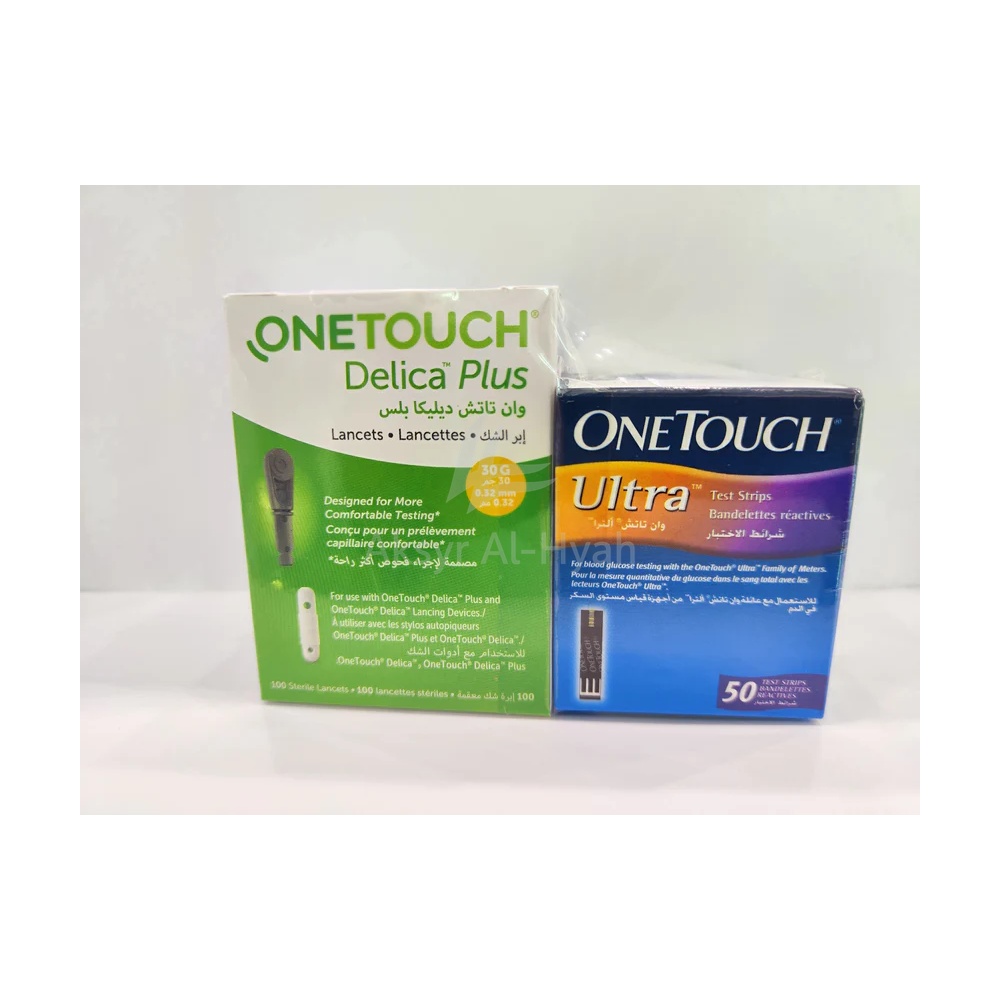
ONE TOUCH ULTRA REFILL KIT 2 STRIPS+DELICA LANCETS 100'S
- QR 226.00
Available

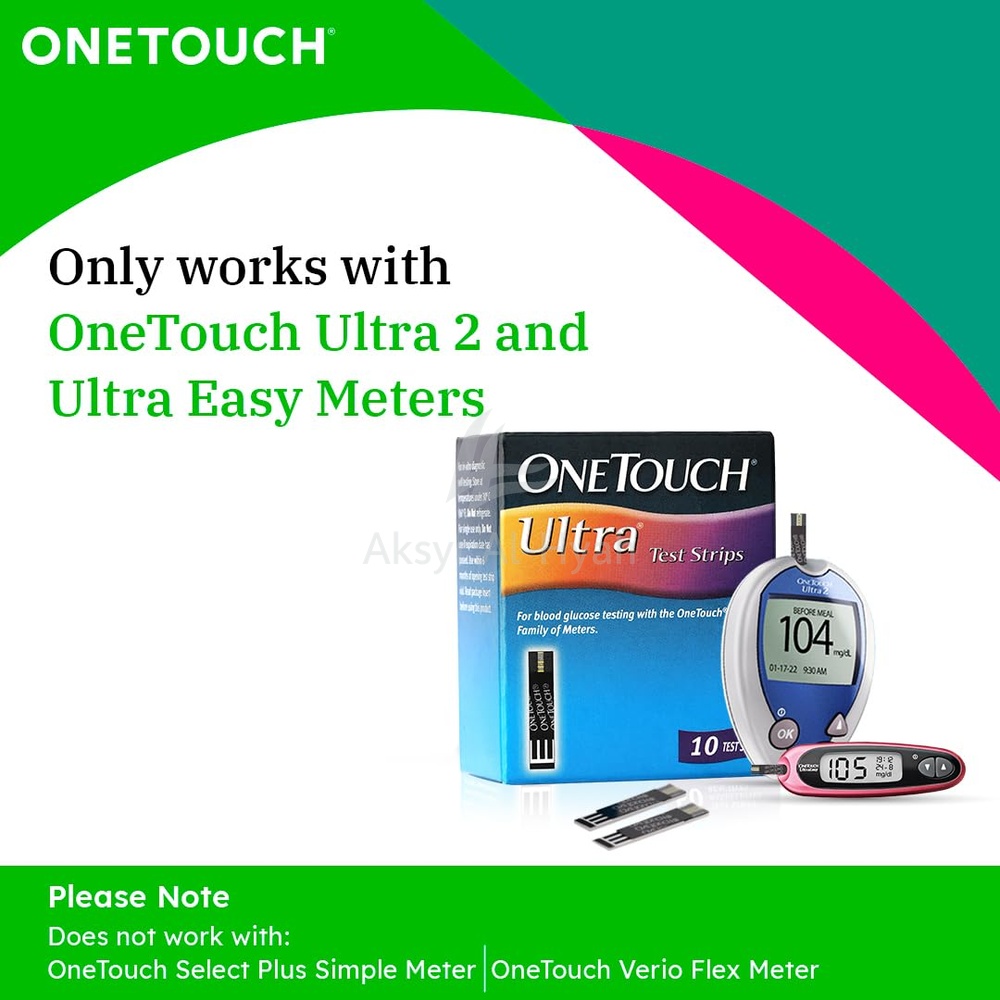
This kit includes 2 test strips compatible with OneTouch Ultra glucose meters and 100 OneTouch Delica lancets for comfortable, precise blood sampling. It’s designed to help people with diabetes monitor blood sugar levels accurately and with minimal discomfort, making daily glucose testing easy and reliable.
What You Need: OneTouch Ultra glucose meter OneTouch Ultra test strip OneTouch Delica lancet and lancing device Steps: Prepare the Meter and Test Strip Turn on your OneTouch Ultra glucose meter. Insert one test strip into the meter’s test strip port. The meter will power on automatically. Prepare the Lancing Device Load a OneTouch Delica lancet into your lancing device. Adjust the lancet depth setting if your device allows, for comfort. Wash Your Hands Clean your hands with soap and warm water. Dry thoroughly to ensure accurate readings. Obtain a Blood Sample Use the lancing device to prick the side of your fingertip. Gently squeeze or massage your finger if needed to produce a drop of blood. Apply Blood to Test Strip Touch the blood drop to the edge of the test strip’s sample area. The meter will detect the blood and begin analyzing. Read Your Blood Glucose Level Wait a few seconds for the meter to display your blood glucose result. Record the result if needed. Dispose of Lancet and Test Strip Remove and safely dispose of the used lancet in a sharps container. Discard the used test strip according to local regulations. Turn Off the Meter The meter may turn off automatically after removing the test strip, or you can turn it off manually.
Compatibility: Designed specifically for OneTouch Ultra blood glucose meters. Sample Size: Approximately 1 microliter (µL) of blood required. Test Time: Results in about 5 seconds. Storage Temperature: Store between 4°C and 30°C (39°F to 86°F). Shelf Life: Typically 12–18 months from manufacturing date (check expiration date on packaging). Packaging: Available in packs ranging from 2 strips (refill kits) to larger quantities. Accuracy: Meets ISO 15197 standards for glucose monitoring systems. Measurement Range: Usually from 20 mg/dL to 600 mg/dL (1.1 mmol/L to 33.3 mmol/L).
1. Use as Directed Only use test strips compatible with your OneTouch Ultra glucose meter. Use lancets only once and never share lancets or lancing devices with others to prevent infection. 2. Hygiene Always wash your hands with soap and water before testing. Use a new, sterile lancet for each blood sample to avoid contamination. 3. Proper Disposal Dispose of used lancets in a proper sharps container to prevent accidental needle sticks. Follow local regulations for disposing of test strips and lancets. 4. Storage Store test strips and lancets in a cool, dry place, away from direct sunlight, moisture, and extreme temperatures. Keep the packaging tightly closed to protect test strips from humidity and air exposure. Do not use test strips or lancets past their expiration date. 5. Avoid Contamination Do not touch the test strip’s sample area with your fingers. Handle lancets only by the protective cap or base to maintain sterility. 6. Calibration and Meter Maintenance Regularly calibrate your meter according to the manufacturer’s instructions. Keep the meter clean and dry; do not immerse it in water. 7. Precautions If you experience symptoms of infection, redness, or irritation at the puncture site, consult your healthcare provider. If your blood glucose readings are consistently abnormal, contact your healthcare professional for guidance. 8. Keep Out of Reach of Children Keep all testing supplies out of the reach of children and pets to avoid accidental injury.
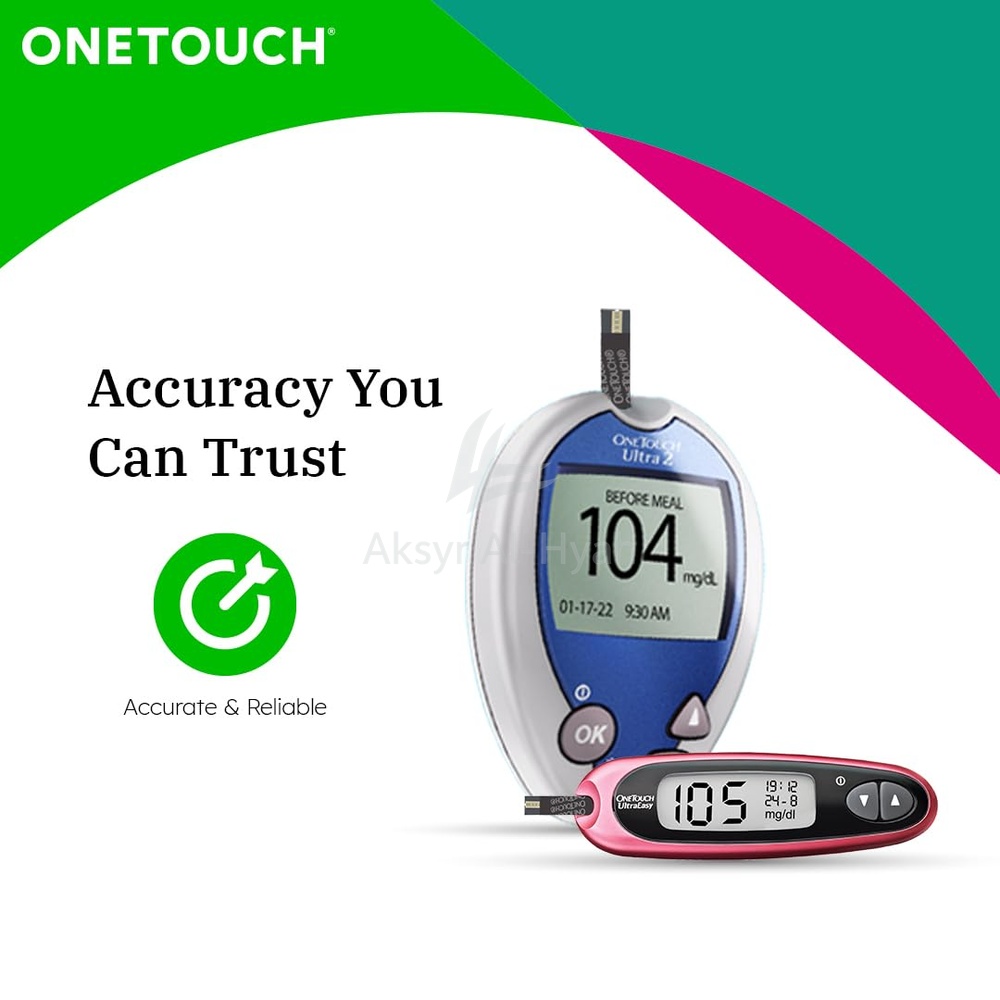
Accurate and Reliable Readings Designed to provide fast, precise blood glucose measurements to help manage diabetes effectively. Ease of Use Test strips and lancets are easy to handle and use, suitable for daily glucose monitoring at home or on the go. Minimal Discomfort The OneTouch Delica lancets use a thin 30-gauge needle to minimize pain and discomfort during finger-prick sampling. Compatibility Test strips and lancets are specifically designed to work seamlessly with OneTouch Ultra meters and Delica lancing devices, ensuring consistent performance. Convenient Packaging Small pack sizes like 2 strips for quick refills and bulk lancets (100 count) make it easy to maintain testing supplies. Hygienic and Safe Lancets are individually sterilized and disposable to reduce infection risk. Quick Results Test strips deliver results within seconds, enabling timely decision-making for blood sugar management. Supports Better Diabetes Control Frequent and accurate monitoring helps users adjust diet, medication, and lifestyle to maintain optimal glucose levels.
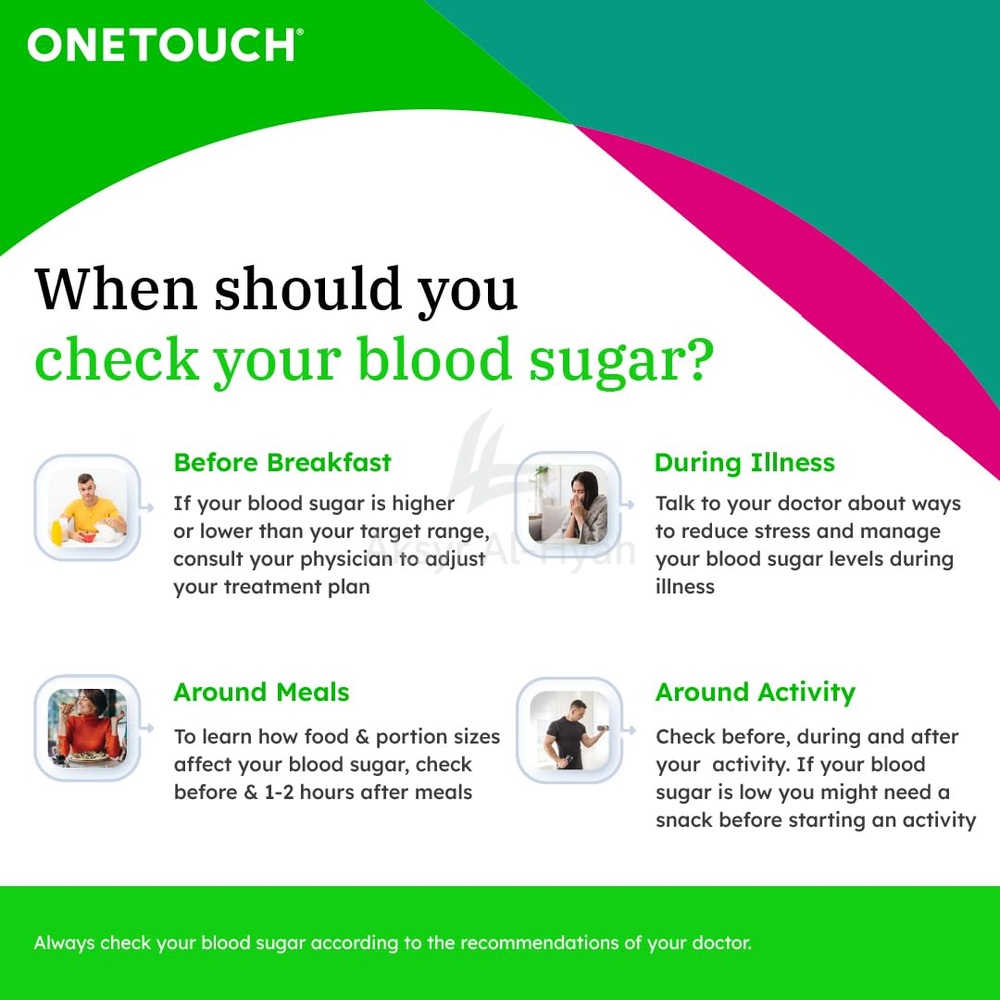
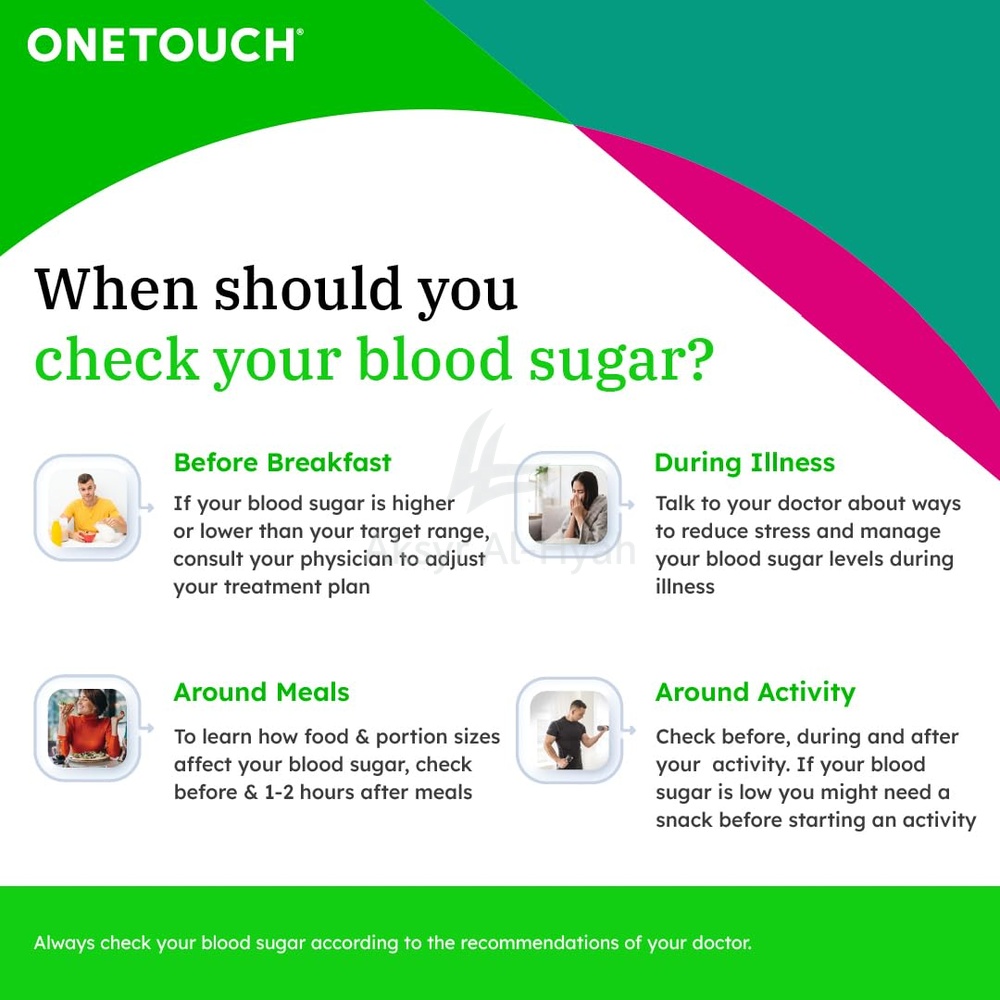
About OneTouch Ultra Test Strips The test strips use a small blood sample (usually about 1 microliter) for fast and accurate glucose measurement. The strips work by detecting glucose in the blood sample and converting it into an electrical signal, which the meter translates into a blood sugar reading. Always check the expiration date on the test strip vial; expired strips may give inaccurate results. Keep the vial tightly closed when not in use to protect strips from moisture and contamination. About OneTouch Delica Lancets Designed with a thinner needle (30-gauge) to reduce pain and discomfort during finger pricks. The lancet depth can be adjusted on the lancing device for a more comfortable and customized blood sample. Single-use only to maintain hygiene and avoid infection. Tips for Accurate Results Test blood glucose levels at consistent times daily, such as before meals or before bedtime, as advised by your healthcare provider. Avoid squeezing your finger too hard to get blood; this can dilute the sample with tissue fluid, affecting accuracy. Keep a log of your readings to track trends and share with your healthcare provider. Common Troubleshooting If the meter shows an error, ensure the test strip is inserted correctly and that the strip is not damaged or expired. If blood doesn’t draw into the strip, make sure the blood drop is large enough. Clean the meter regularly as per the manufacturer’s guidelines to avoid malfunctions. Storage Recommendations Store both test strips and lancets at room temperature (usually between 4°C and 30°C or 39°F and 86°F). Avoid storing in the bathroom or other humid areas.
Active Component: The test strips contain specialized enzymes (such as glucose oxidase or glucose dehydrogenase) that react with glucose in the blood sample to produce an electrical signal. Material: Made of plastic with embedded chemical reagents that enable the meter to detect and measure blood glucose levels. Compatibility: Designed specifically for use with OneTouch Ultra blood glucose meters.
Know Your Product
The OneTouch Ultra Refill Kit is designed to provide reliable and accurate blood glucose monitoring for individuals managing diabetes. The kit contains 2 test strips compatible with OneTouch Ultra blood glucose meters, ensuring precise measurement of blood sugar levels. Alongside the test strips, the kit includes a pack of 100 OneTouch Delica lancets, which are engineered to deliver a comfortable and nearly painless finger-prick experience for blood sampling. Key Features: Accurate Blood Glucose Monitoring: The test strips use advanced technology to provide quick and precise glucose readings, helping users maintain optimal blood sugar control. Compatibility: Specifically designed for use with OneTouch Ultra blood glucose meters, ensuring seamless functionality. Comfortable Blood Sampling: The OneTouch Delica lancets feature a 30-gauge needle size, which is thinner than many other lancets, significantly reducing pain and discomfort during blood collection. Sterile and Hygienic: Lancets are single-use and individually sterilized to prevent infections and maintain hygiene. Convenient Packaging: The kit’s combination of test strips and lancets provides an all-in-one solution for glucose monitoring, making it easy for users to have the essential supplies on hand. User-Friendly: Simple to use with minimal preparation, suitable for daily glucose testing routines.
Send Alternative Request
You Might Also Like
Ratings & Review
Free Home Delivery
We are committed to providing a hassle-free shopping experience for you. Enjoy free home delivery on orders.
Instant Return Policy
Our Instant Return Policy allows you to return the product with full refund or exchange.
Quick Support System
We offer fast and responsive customer support to assist you with any queries or issues you might have.
Secure Payment Way
Shop with confidence using our Secure Payment Gateway. We offer multiple payment options.
100% Secured Payments with SSL Security

Copyright © 2025 Aksyr Al Hyah Pharmacy. All Rights Reserved.