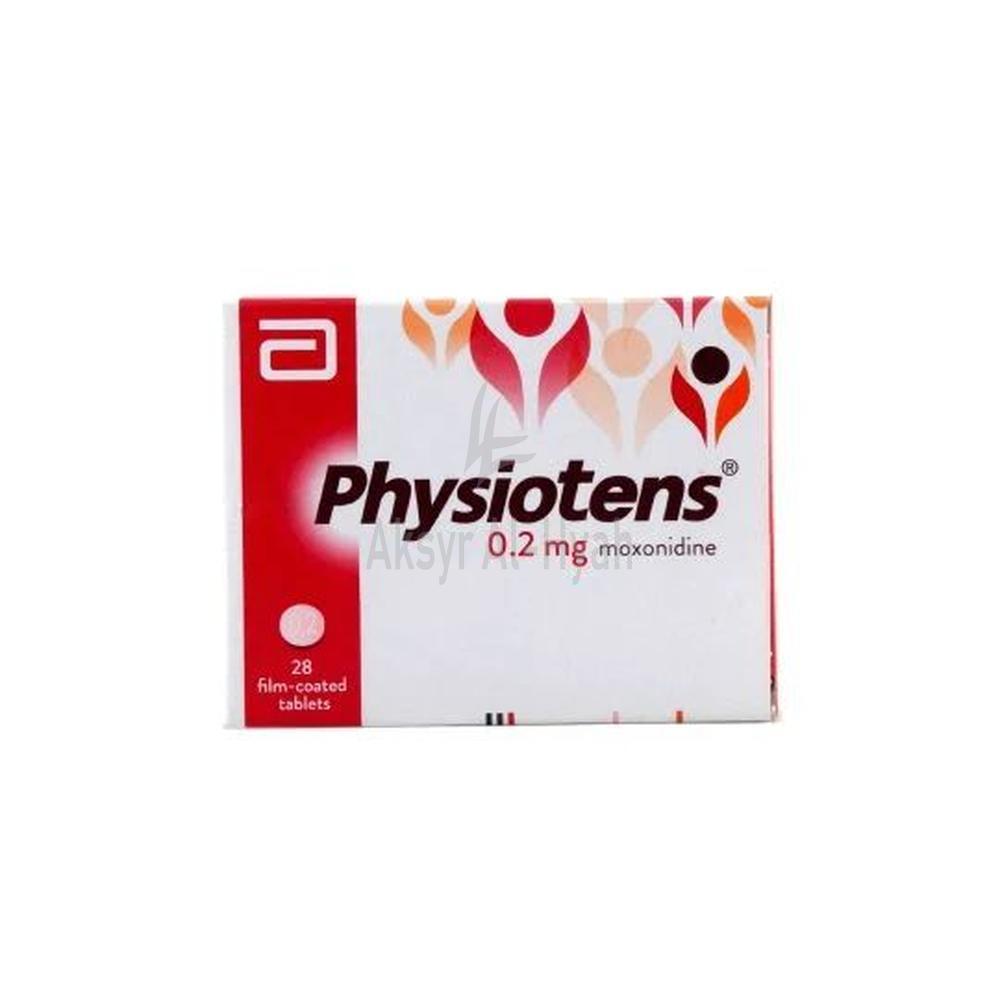
Physiotens 0.2 mg Tablets contain moxonidine, an effective medication used to treat high blood pressure (essential hypertension). It works by relaxing blood vessels and reducing nerve signals that raise blood pressure. Usually taken once daily, Physiotens helps prevent complications related to hypertension like heart disease and stroke. Store below 25°C and use under medical supervision.
Generic Name: Moxonidine Brand Name: Physiotens Dosage Form: Film-coated tablets Strength: 0.2 mg per tablet Pack Size: 28 tablets per pack Route of Administration: Oral Appearance: Usually white or off-white, round or oval film-coated tablets Storage Conditions: Store below 25°C, in a dry place, protected from light Shelf Life: Typically 2 to 3 years from the date of manufacture (check packaging for exact expiry) Manufacturer: Varies by region, commonly produced by pharmaceutical companies authorized to manufacture Physiotens
Safety Instructions for Physiotens 0.2 mg Tablets Use only as prescribed by your healthcare provider. Do not change your dose or stop treatment without medical advice. Inform your doctor if you: Are pregnant, planning to become pregnant, or breastfeeding Have heart, kidney, or liver problems Have any allergies to moxonidine or other medications Avoid alcohol while taking this medication, as it can increase side effects like dizziness or low blood pressure. Be cautious when driving or operating machinery, especially when starting treatment, as Physiotens may cause dizziness or fatigue. Report any side effects immediately, such as: Severe dizziness or fainting Irregular heartbeat Swelling of hands, feet, or face Signs of allergic reaction (rash, itching, swelling, difficulty breathing) Keep out of reach of children. Store in a cool, dry place below 25°C and protect from moisture and light. Do not use after the expiry date printed on the pack. Inform all healthcare providers you visit that you are taking Physiotens to avoid drug interactions.
Effective Blood Pressure Control: Helps lower high blood pressure (essential hypertension) by reducing sympathetic nervous system activity. Prevents Complications: Reduces the risk of heart attacks, strokes, kidney damage, and other problems associated with uncontrolled hypertension. Once-Daily Dosage: Convenient dosing improves patient compliance and consistent blood pressure control. Well Tolerated: Generally associated with fewer side effects compared to some older antihypertensive drugs. Improves Quality of Life: By maintaining stable blood pressure, it can reduce symptoms like headaches, dizziness, and fatigue caused by hypertension. Suitable for Combination Therapy: Can be safely combined with other blood pressure medications if needed for better control.
Therapeutic Class: Antihypertensive agent (centrally acting) Mechanism of Action: Selective imidazoline receptor agonist that reduces sympathetic nervous system activity, leading to lowered blood pressure. Onset of Action: Typically starts to lower blood pressure within a few hours of the first dose, with full effect developing over days to weeks. Duration of Action: Usually provides 24-hour blood pressure control with once-daily dosing. Use in Special Populations: Elderly patients may require dose adjustments and careful monitoring. Not typically recommended for use in children. Drug Interactions: May interact with other blood pressure medications, diuretics, or drugs affecting the central nervous system. Always inform your doctor of all medications you take. Pregnancy and Breastfeeding: Use only if clearly needed and prescribed by your doctor. Monitoring: Regular blood pressure checks and medical follow-ups are essential to ensure the medication is effective and safe. Missed Dose: If you miss a dose, take it as soon as you remember unless it’s near the time of the next dose. Do not double doses. Overdose: Symptoms may include severe low blood pressure, slow heartbeat, or dizziness. Seek immediate medical attention in case of overdose.
Active Ingredient: Moxonidine — 0.2 mg per tablet Inactive Ingredients (Excipients): May include common tablet binders, fillers, film-coating agents, and stabilizers such as: Lactose monohydrate Microcrystalline cellulose Magnesium stearate Hydroxypropyl methylcellulose (HPMC) Titanium dioxide (for coating) Other pharmaceutical excipients (varies by manufacturer)