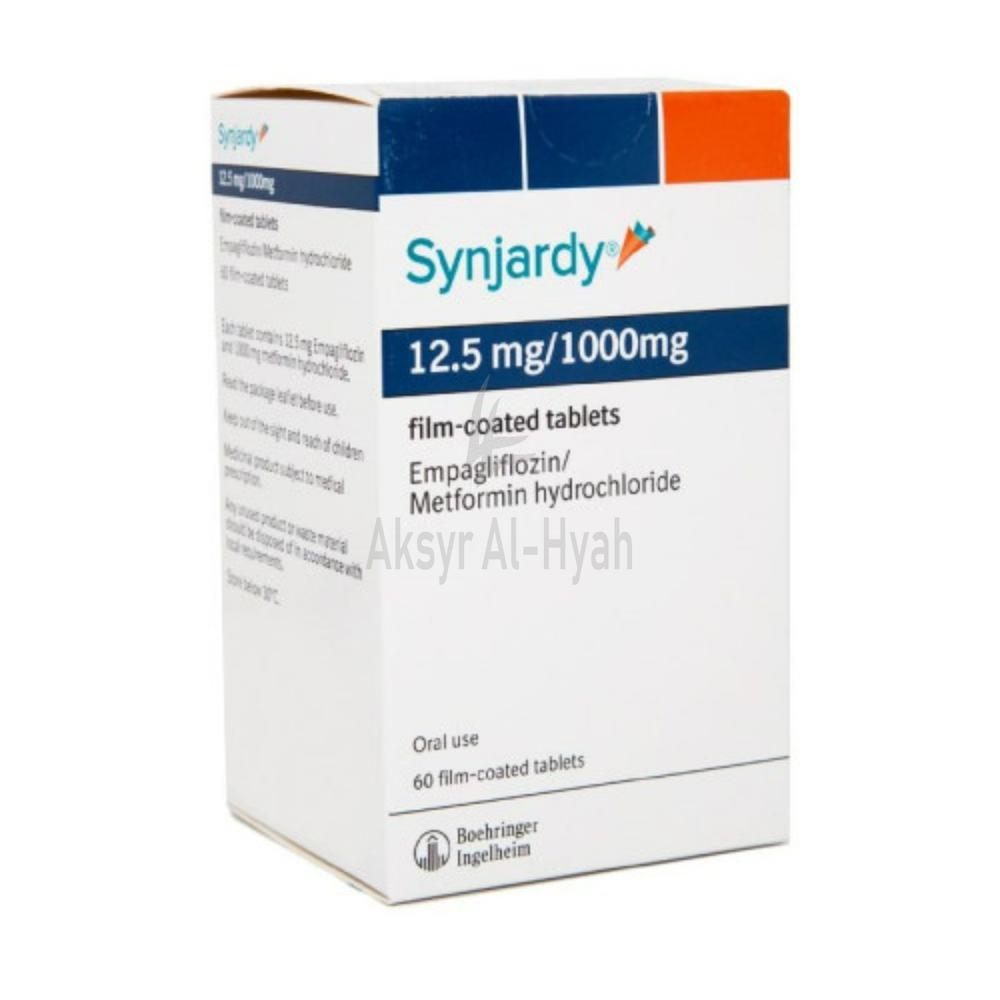
SYNJARDY 12.5/1000MG TABLET 60'S
- QR 318.00
Available

Synjardy is a combination medication used to help manage type 2 diabetes mellitus. It combines empagliflozin (a sodium-glucose cotransporter-2 (SGLT2) inhibitor) and metformin hydrochloride (a biguanide) to improve blood sugar control in people with type 2 diabetes. The combination of these two active ingredients works by both increasing the excretion of glucose via urine and improving the body's sensitivity to insulin.
Dosage: Take one tablet of Synjardy 12.5/1000 mg daily, preferably with food to reduce the risk of gastrointestinal side effects. Swallowing: Swallow the tablet whole with a glass of water. Do not crush or chew the tablet. Adjustments: Your doctor may adjust the dose depending on your blood sugar levels and overall treatment goals.
Product Name: Synjardy 12.5/1000 mg Tablets Strength: Empagliflozin: 12.5 mg Metformin Hydrochloride: 1000 mg Pack Size: 60 Tablets Form: Oral Tablets Dosage: Typically taken once daily with food to reduce gastrointestinal side effects. Active Ingredients: Empagliflozin (12.5 mg) – SGLT2 inhibitor Metformin Hydrochloride (1000 mg) – Biguanide Indication: Used for the management of type 2 diabetes mellitus in adults. Helps in blood glucose control when diet and exercise alone are insufficient. Mechanism of Action: Empagliflozin: Inhibits the SGLT2 protein, reducing glucose reabsorption by the kidneys and increasing urinary glucose excretion. Metformin: Reduces hepatic glucose production, increases insulin sensitivity, and decreases intestinal glucose absorption. Administration: Take one tablet per day, preferably with food, to minimize gastrointestinal upset. Swallow the tablet whole with water. Storage: Store in a cool, dry place (below 30°C). Keep away from direct sunlight and moisture. Keep out of reach of children. Contraindications: Severe renal impairment Hypersensitivity to any of the ingredients Diabetic ketoacidosis or lactic acidosis Caution in patients with liver impairment or severe dehydration. Precautions: Regular monitoring of renal function and blood glucose levels is recommended. Ensure adequate hydration to avoid dehydration and potential kidney problems. BPA-Free: Made from safe materials that are free from BPA. Other Information: Brand: Synjardy Manufacturer: Boehringer Ingelheim and Eli Lilly NDC Number: 00002-7162-60 (may vary by region) Approval: FDA approved for use in type 2 diabetes management.
Kidney Function: Regularly monitor kidney function, as both empagliflozin and metformin can affect kidney health. Hydration: Maintain proper hydration while using this medication, as empagliflozin can lead to increased urination. Lactic Acidosis: Metformin can rarely cause lactic acidosis, a serious metabolic condition. Symptoms include muscle pain, difficulty breathing, dizziness, and unusual tiredness. Seek immediate medical attention if these occur. Discontinue Before Surgery: If undergoing surgery or contrast imaging procedures, your doctor may advise stopping Synjardy temporarily due to the risk of kidney complications. Monitor Blood Sugar: Regularly check blood glucose levels to ensure the medication is working effectively.
Dual Action: The combination of empagliflozin and metformin works through different mechanisms to help control blood glucose levels more effectively. Improved Blood Sugar Control: Helps reduce fasting glucose and HbA1c levels, providing better overall glycemic control. Weight Loss Benefits: Empagliflozin may help with weight loss, which is often beneficial in managing type 2 diabetes. Cardiovascular Protection: Empagliflozin has been shown to reduce cardiovascular events and improve heart health in people with type 2 diabetes. Convenient Dosage: Available in a 60-tablet pack, providing a 2-month supply at the typical dose. Reduced Risk of Hypoglycemia: This combination medication typically does not cause low blood sugar (hypoglycemia) unless used with other drugs that can cause it.
Indication: Primarily used to manage type 2 diabetes and help control blood sugar levels. Usage: Should be used as part of a comprehensive treatment plan including diet, exercise, and lifestyle changes. Storage: Store in a cool, dry place away from direct sunlight. Keep out of reach of children. Expiration: Check the expiry date before use. Do not use after the expiration date.
Active Ingredients: Empagliflozin (12.5 mg) Empagliflozin is an SGLT2 inhibitor (Sodium-Glucose Cotransporter 2 Inhibitor). It works by blocking the SGLT2 protein in the kidneys, which is responsible for reabsorbing glucose back into the bloodstream. This results in the excretion of excess glucose via urine, thereby reducing blood sugar levels in patients with type 2 diabetes. Metformin Hydrochloride (1000 mg) Metformin is a biguanide that works by reducing hepatic glucose production (glucose production by the liver) and increasing insulin sensitivity in muscle and fat cells, allowing for better glucose uptake and reduced blood sugar levels. It also slightly decreases glucose absorption from the intestines.
Know Your Product
Synjardy 12.5/1000 mg Tablets are prescribed for adults with type 2 diabetes mellitus to improve glycemic control. The empagliflozin component works by inhibiting the SGLT2 protein in the kidneys, which reduces glucose reabsorption and leads to increased glucose excretion through the urine. Metformin, on the other hand, decreases glucose production in the liver and enhances the body's response to insulin. This combination helps to control blood sugar levels, particularly when diet and exercise alone are insufficient. It also offers the benefit of weight management and can contribute to a reduction in cardiovascular risk for individuals with type 2 diabetes. It is most effective when used alongside proper diet, exercise, and lifestyle modifications.
Send Alternative Request
You Might Also Like
Ratings & Review
Free Home Delivery
We are committed to providing a hassle-free shopping experience for you. Enjoy free home delivery on orders.
Instant Return Policy
Our Instant Return Policy allows you to return the product with full refund or exchange.
Quick Support System
We offer fast and responsive customer support to assist you with any queries or issues you might have.
Secure Payment Way
Shop with confidence using our Secure Payment Gateway. We offer multiple payment options.
100% Secured Payments with SSL Security

Copyright © 2025 Aksyr Al Hyah Pharmacy. All Rights Reserved.