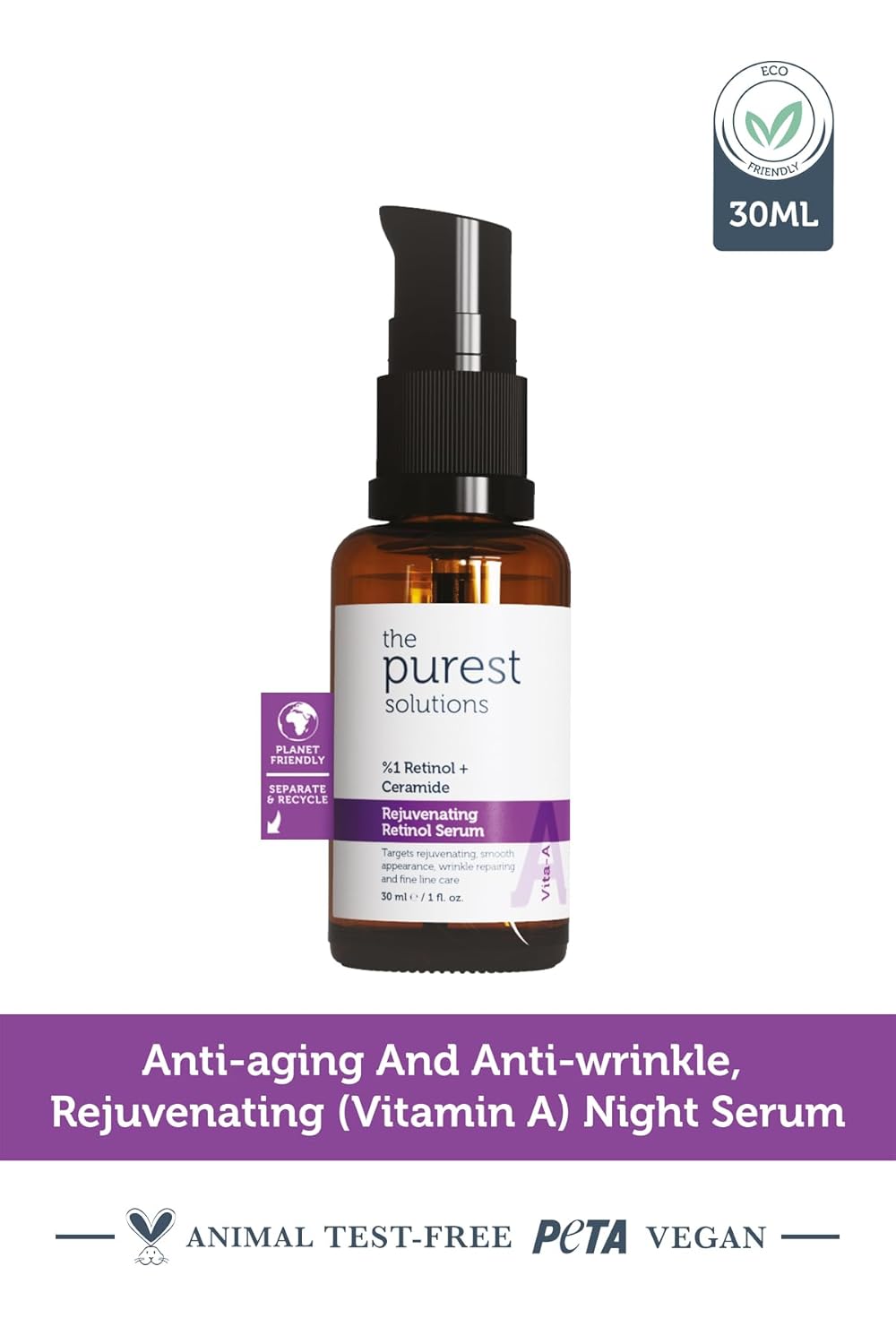
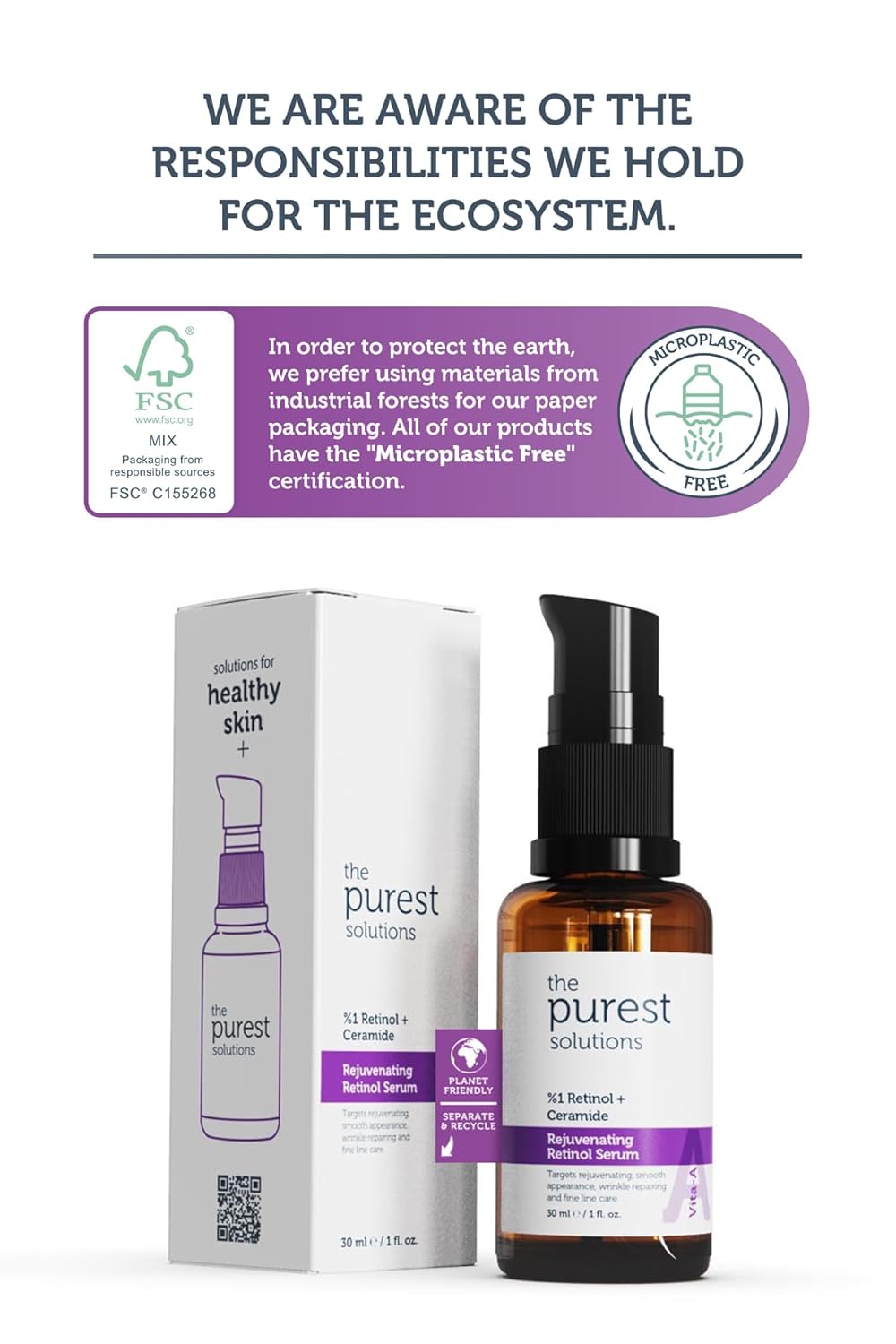
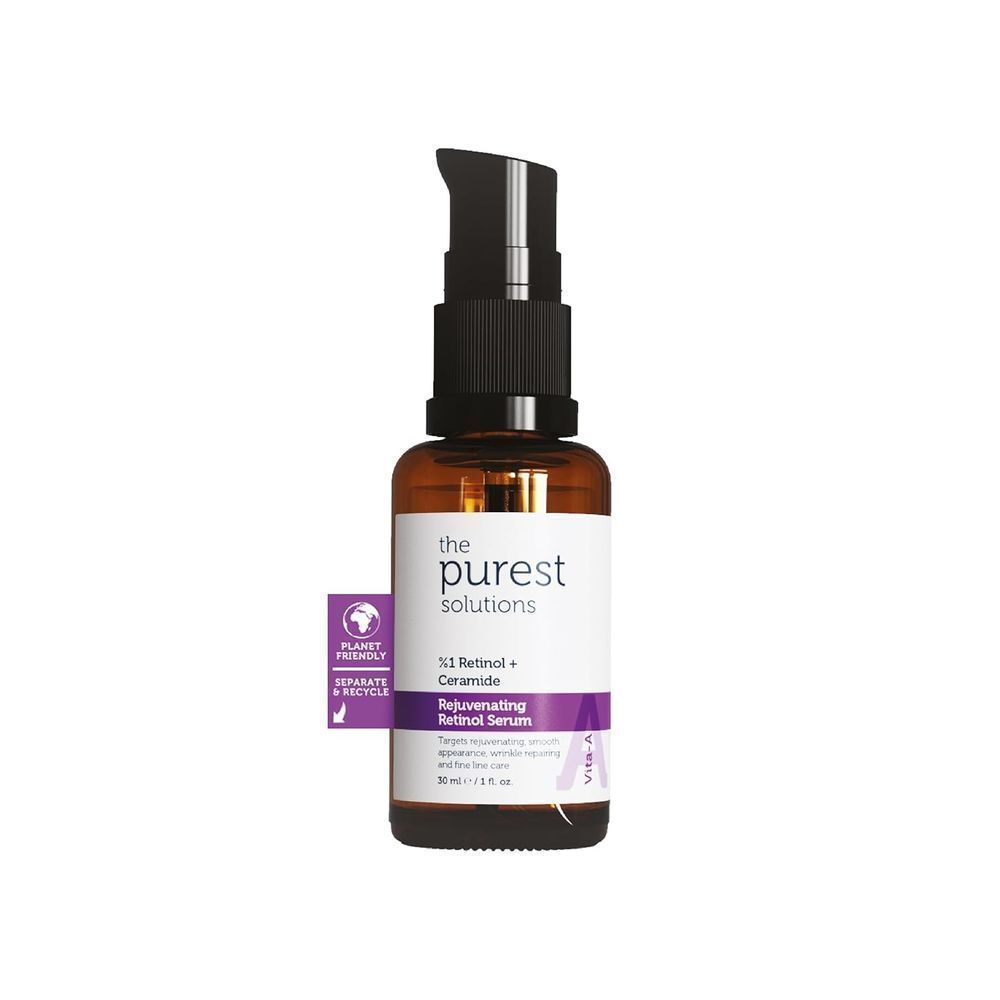
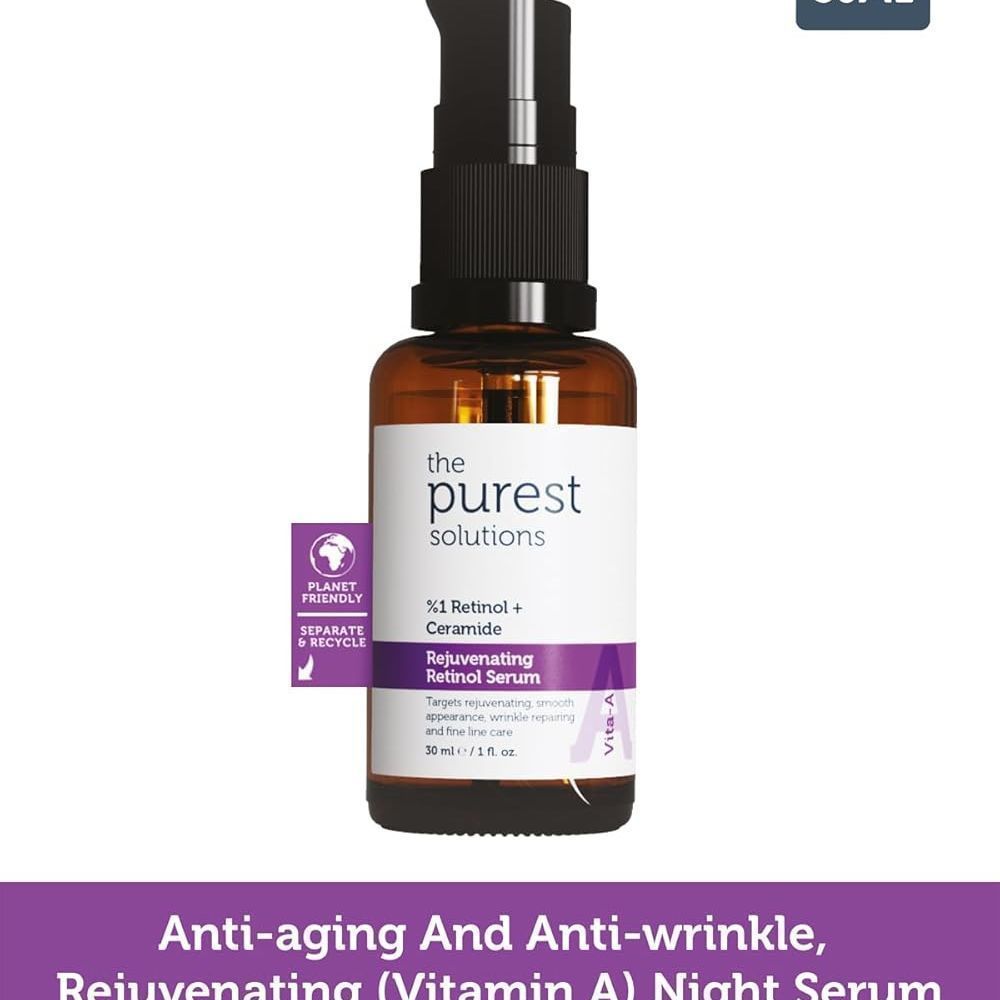
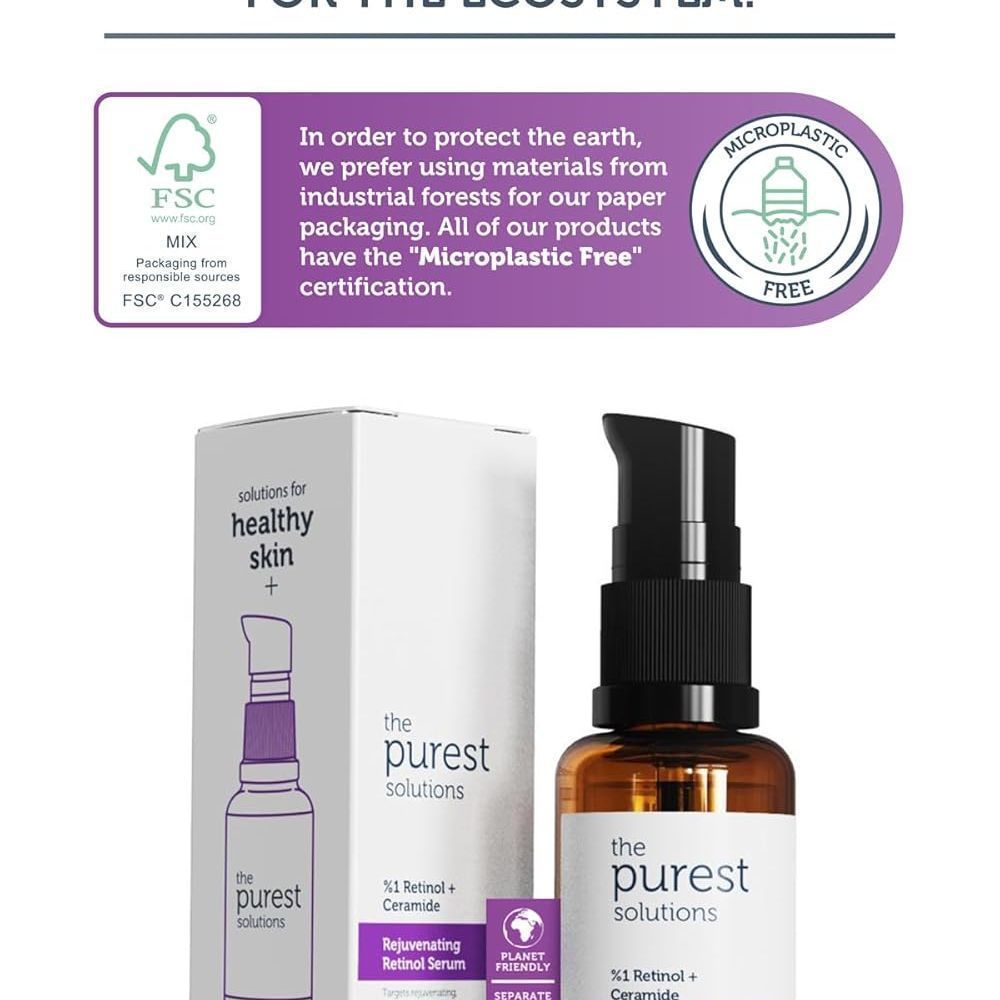
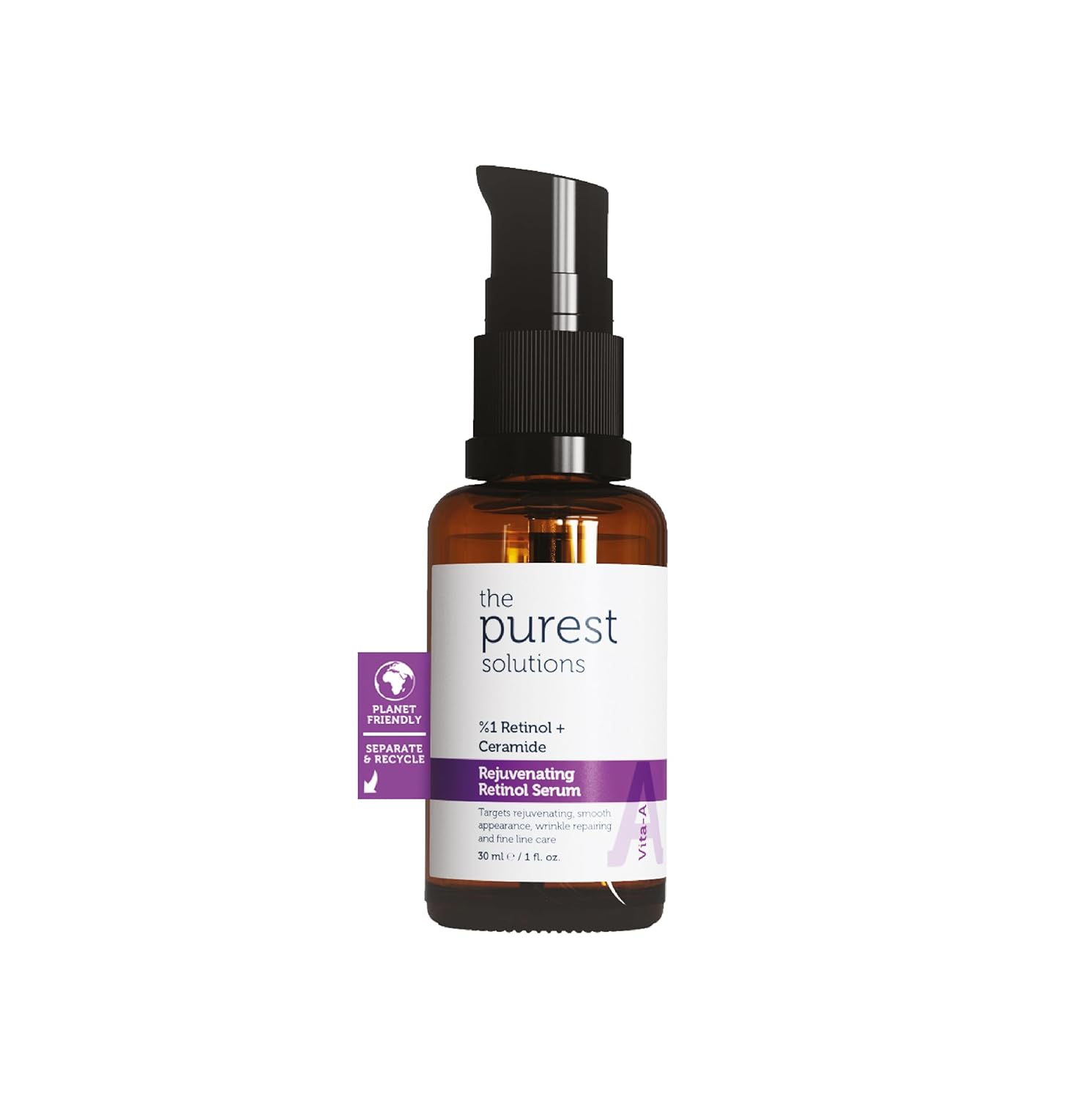
THE PUREST SOLUTION REJUVENATING RETINOL SERUM 30ML #19011
- QR 199.00
Available
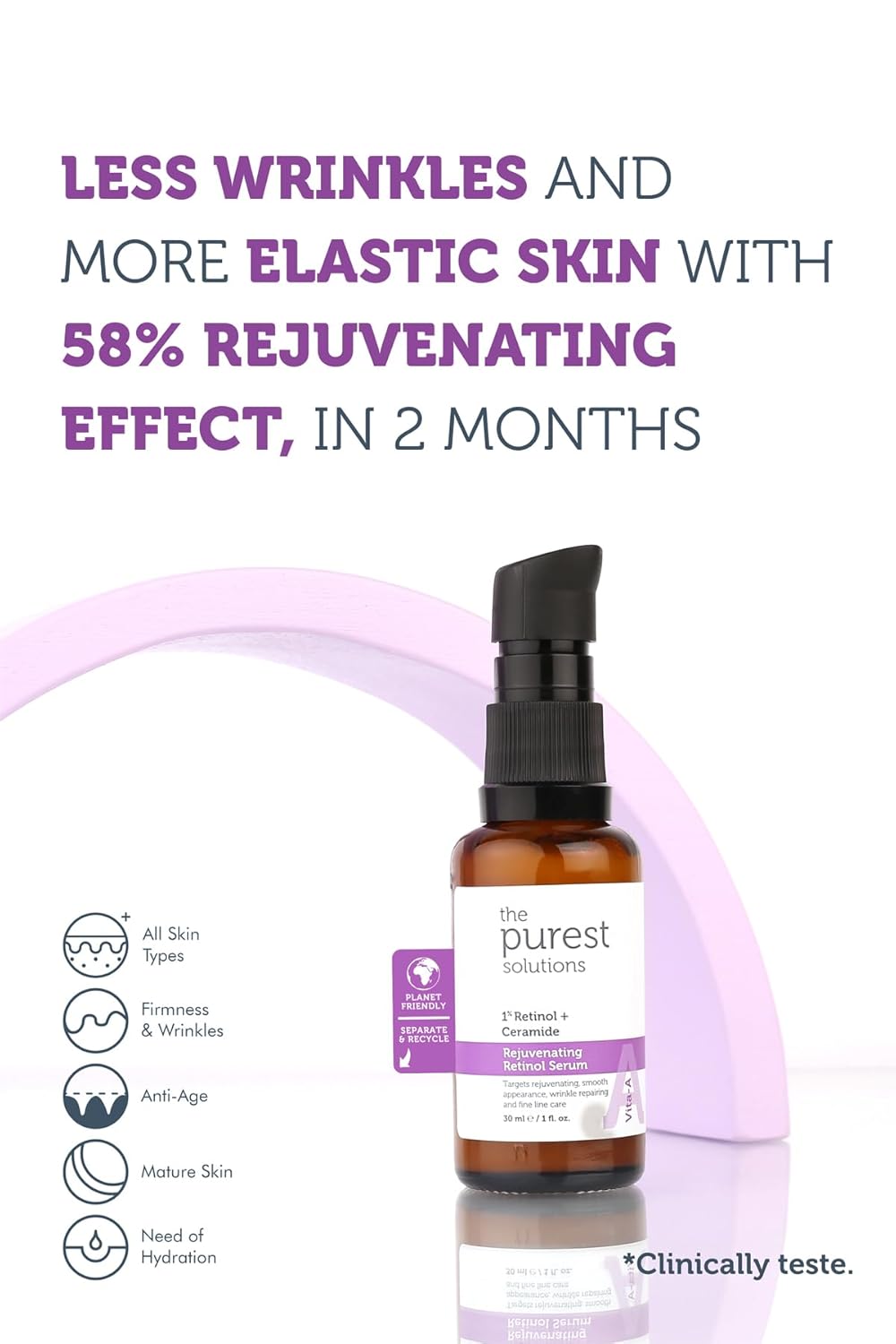
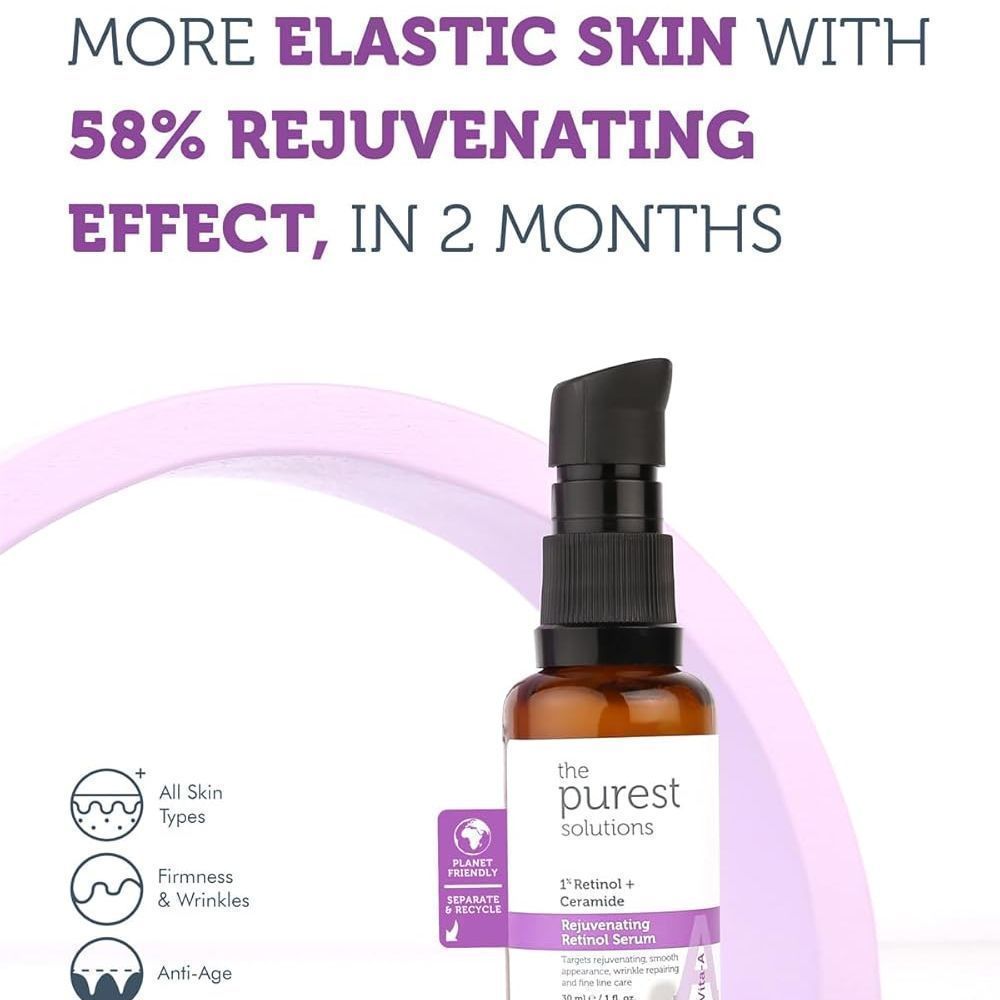
This product contains 1% Retinol and ceramide, making it perfect for addressing anti-ageing and wrinkle repair needs. Suitable for all skin types, this formula offers comprehensive care for a youthful and radiant complexion.
Start Slow: Retinol can be potent and may cause irritation or dryness, especially if you're new to it. Start by using it 2-3 times a week at night and gradually increase frequency as your skin builds tolerance. Apply After Cleansing: After cleansing and toning your skin, apply a small amount of the serum (usually a pea-sized amount) to your face and neck. Avoid the eye area. Moisturize: Follow up with a good moisturizer to lock in hydration and prevent dryness or irritation. Use Sunscreen During the Day: Retinol can increase your skin’s sensitivity to the sun, so it’s crucial to apply broad-spectrum sunscreen (SPF 30 or higher) every morning, even if you’re staying indoors.
1. How Retinol Works on the Skin Cell Turnover: Retinol (Vitamin A) accelerates the skin’s natural exfoliation process by stimulating the production of new skin cells. This helps to shed dead skin cells and reveal healthier, smoother skin underneath. Collagen Production: Retinol also stimulates collagen production, which is essential for maintaining skin elasticity and firmness. This helps combat signs of aging, like sagging or fine lines. Improves Skin Texture: By promoting skin renewal, Retinol smooths rough skin, minimizes the appearance of pores, and promotes a more even skin tone and texture. 2. Gradual Introduction to Retinol Start Slowly: If you're new to Retinol, it’s best to introduce it gradually into your skincare routine to prevent irritation. You can start by using it two to three times a week and gradually increase the frequency as your skin gets accustomed to it. Eventually, you can use it nightly if your skin tolerates it. Potential Side Effects: Some common side effects when starting Retinol are dryness, flaking, and redness. These are normal and will usually subside as your skin adapts. If irritation persists, you can reduce the frequency of use or use a gentler form of Retinol (like Retinaldehyde or Retinol Ester). 3. Layering with Other Products Night Routine: Retinol should be used at night, as it makes your skin more sensitive to the sun. Ideally, apply it after cleansing and toning your skin, but before moisturizing. Avoid Mixing with Strong Acids: Retinol can be irritating when used in combination with other strong active ingredients like AHAs (Alpha Hydroxy Acids), BHAs (Beta Hydroxy Acids), or Vitamin C. These ingredients can increase the likelihood of skin irritation, so it's best to use them at different times of the day or alternate days. Moisturizing: To combat potential dryness, follow your Retinol serum with a rich moisturizer to lock in hydration and soothe the skin. You may also want to use a hydrating serum (like one with Hyaluronic Acid) before your moisturizer for added moisture. 4. Sunscreen is a Must Increased Sensitivity to UV Rays: Retinol makes your skin more vulnerable to sun damage, so it’s crucial to wear sunscreen daily when using Retinol. Opt for a broad-spectrum SPF 30 or higher, even on cloudy days or when indoors, as UVA rays can penetrate windows. SPF Protection is Key: Consistent sun protection helps prevent the sun from undoing the benefits of Retinol, such as protecting against fine lines, pigmentation, and sunburn. 5. Ideal Use for Different Skin Concerns Aging Skin: Retinol is especially beneficial for reducing the visible signs of aging, including wrinkles, fine lines, and loss of skin elasticity. Regular use can result in smoother, firmer, and more youthful-looking skin. Acne-Prone Skin: For those with acne, Retinol helps to unclog pores, prevent the formation of new breakouts, and fade acne scars or hyperpigmentation left by acne. Uneven Skin Tone: Retinol accelerates cell turnover, which can help fade sun spots, dark spots, and hyperpigmentation from post-inflammatory hyperpigmentation (PIH), often seen in acne sufferers. 6. Storage Tips Store in a Cool, Dry Place: Retinol is sensitive to light and air. To maintain its potency, store your Retinol serum in a cool, dark place (away from sunlight). Some formulas may come in opaque bottles to protect the product from degradation caused by light exposure. Seal Tight After Use: Ensure the bottle is tightly closed after each use to prevent oxidation or contamination. 7. Patience is Key Visible Results: While Retinol can start showing improvements in skin texture and tone after about 4-6 weeks, optimal results (like reducing fine lines and wrinkles) usually take about 3-6 months of consistent use. Be patient and stick to your routine! 8. Product Consistency Consistency Over Time: For the best results, make Retinol a consistent part of your skincare routine. It works best over time, so frequent, long-term use will yield the most noticeable benefits. Avoid Overuse: More is not always better with Retinol. Overusing it can lead to skin irritation, dryness, or redness. Stick to the recommended amount and frequency for your skin type.
Sensitivity: Retinol can cause dryness, redness, and peeling as your skin adjusts. If this occurs, reduce usage frequency or mix the serum with a moisturizer. Avoid Sun Exposure: Retinol makes your skin more sensitive to UV rays, so it’s important to wear sunscreen daily to prevent sunburn and further skin damage. Avoid Combining with Other Strong Actives: Retinol may not work well when combined with other strong actives, like Vitamin C or AHAs/BHAs, as this can increase irritation. If you're using a Vitamin C serum in the morning, make sure to use the Retinol serum in the evening.
1. Reduces Fine Lines and Wrinkles Collagen Stimulation: Retinol boosts collagen production, which is essential for maintaining skin’s firmness and elasticity. Over time, this helps reduce the appearance of fine lines and wrinkles, especially around the eyes, forehead, and mouth. Smooths Texture: The serum helps to smooth rough skin, leaving it softer and more youthful. 2. Enhances Skin Renewal and Radiance Increased Cell Turnover: Retinol accelerates the shedding of dead skin cells and encourages the production of new, fresh skin. This results in brighter, more even-toned skin. Fades Dullness: Regular use of Retinol helps restore skin’s natural glow, addressing the dullness that can come from clogged pores or aging. 3. Fades Hyperpigmentation and Dark Spots Brightens Skin Tone: Retinol is known for its ability to fade sun spots, age spots, post-inflammatory hyperpigmentation (PIH), and acne scars. By promoting cell turnover, Retinol helps to lighten areas of discoloration and even out skin tone. Reduces Acne Scars: It’s especially effective at lightening scars left by previous breakouts, gradually improving skin’s clarity. 4. Prevents and Treats Acne Unclogs Pores: By speeding up skin turnover, Retinol helps prevent pores from getting clogged with oil and dead skin cells, a major cause of acne. Reduces Breakouts: The serum is beneficial for those with acne-prone skin as it helps reduce the frequency and severity of breakouts over time. 5. Improves Skin Texture Smoother Skin: Retinol helps smooth out rough patches, leaving the skin feeling softer and more refined. It reduces the appearance of large pores and promotes an overall smoother texture. Reduces Bumpy Skin: If you struggle with texture issues like keratosis pilaris (bumps on the arms or face), Retinol can help reduce these by stimulating skin cell turnover. 6. Minimizes Pore Size Tightens Skin: By promoting a more even skin surface and encouraging cell renewal, Retinol can help reduce the appearance of enlarged pores, giving your skin a smoother, more uniform look. 7. Supports Long-Term Skin Health Reduces Sun Damage: While Retinol doesn’t replace sunscreen, it can help repair damage caused by UV rays, such as fine lines, hyperpigmentation, and rough skin. Boosts Skin Barrier: Though Retinol can be drying at first, consistent use (with moisturizing) can help strengthen the skin’s protective barrier, improving its resilience over time. 8. Suitable for Sensitive Skin Gentle Yet Effective: The formula may be gentle enough for those with sensitive skin when used properly (gradually introducing the serum and moisturizing well). It’s important to be cautious if you’re new to Retinol, but once your skin builds tolerance, it can be incredibly beneficial without causing irritation. 9. Hydrates and Soothes Moisturizing Ingredients: Many Retinol serums are drying, but this formula may include hydrating agents like Hyaluronic Acid or Vitamin E, which work to counterbalance Retinol’s drying effect. This ensures your skin remains hydrated, soft, and balanced while benefiting from the rejuvenating effects of Retinol. Calming Effects: Ingredients like Niacinamide can help soothe the skin, reducing redness or irritation that may be associated with Retinol use. 10. Improves Skin’s Elasticity and Firmness Plumps Skin: Collagen and elastin production is enhanced with consistent Retinol use, improving the skin’s firmness and elasticity. Prevents Sagging: Over time, this can help to prevent or reduce the sagging that typically occurs with aging, keeping the skin more lifted and toned.
0
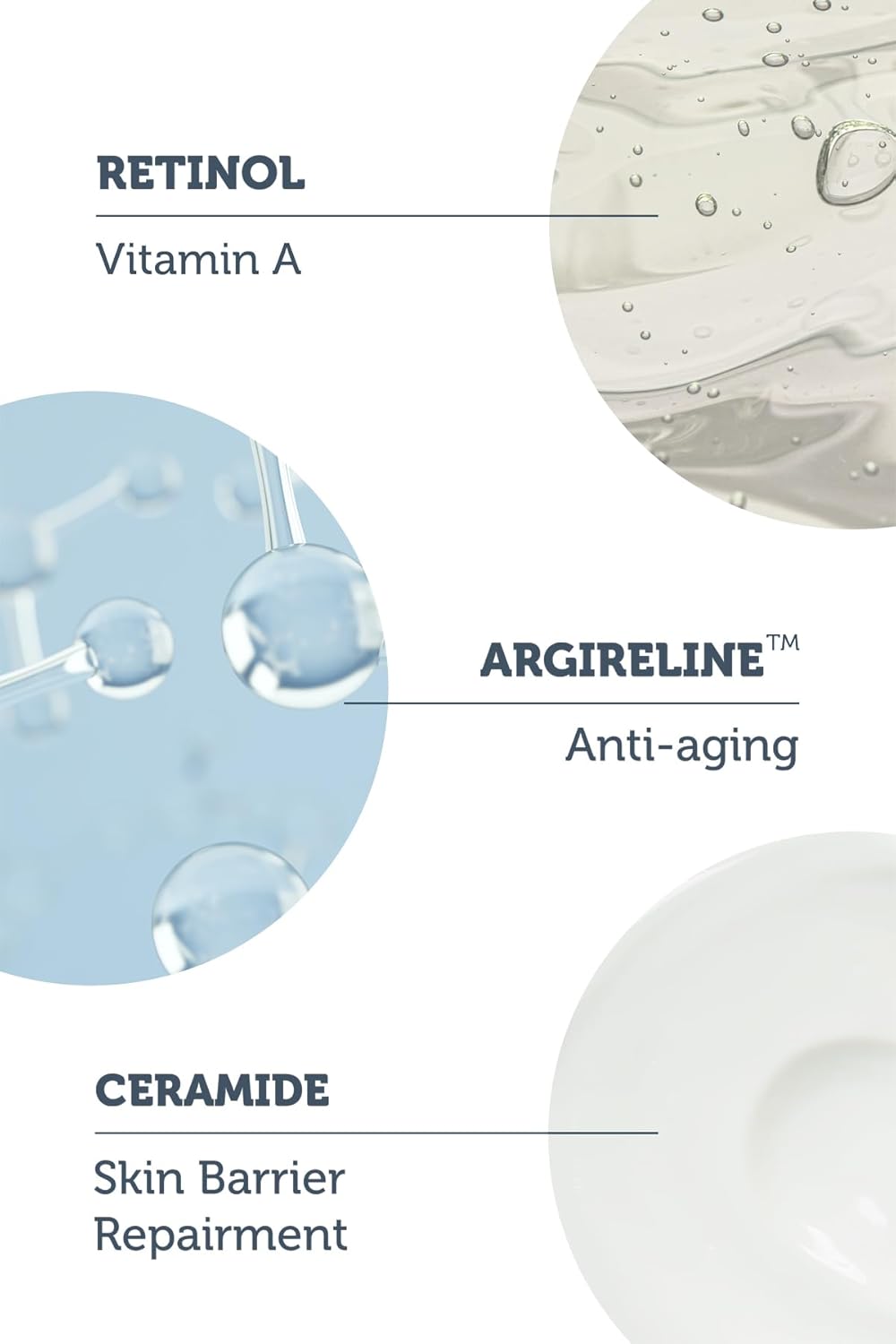
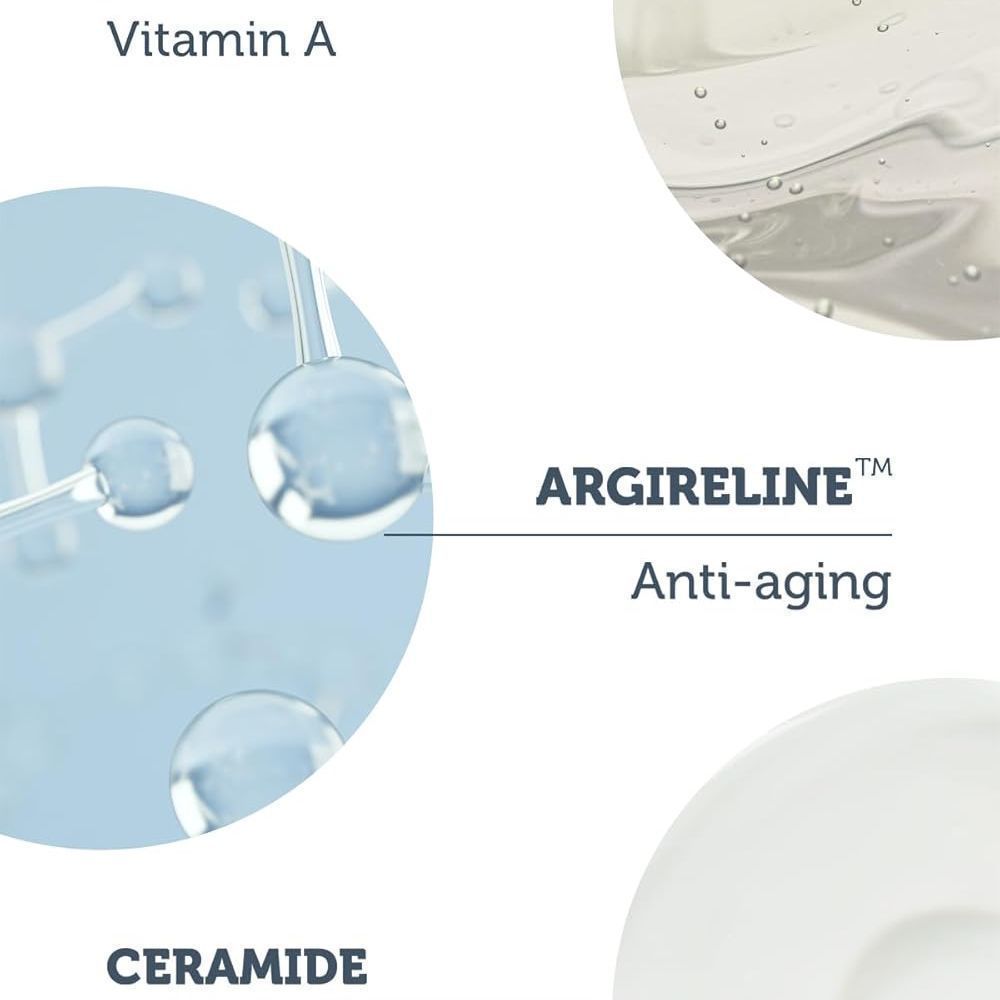
Retinol: The main active ingredient that stimulates collagen production, accelerates cell turnover, and improves the overall appearance of the skin. Vitamin E: Often included for its antioxidant properties and ability to help protect the skin from free radical damage. Hyaluronic Acid: Known for its ability to draw moisture into the skin, ensuring the skin stays hydrated and plump. Peptides: Often included in rejuvenating serums to help support skin structure, repair damage, and maintain skin elasticity. Niacinamide (Vitamin B3): Known for its ability to reduce redness, calm inflammation, and even out skin tone.
Know Your Product
Targets rejuvenating, smoothing appearance, repairing wrinkles, and providing care for fine lines. Achieve a youthful and flawless look with this targeted skincare regimen.The Purest Solutions Rejuvenating Retinol Serum (30ml) is a potent anti-aging serum designed to improve skin texture, reduce wrinkles, and promote overall skin rejuvenation. Retinol, a form of Vitamin A, is one of the most well-researched and effective ingredients for skincare, especially for addressing concerns like fine lines, sun damage, and uneven skin tone.Anti-Aging: Reduces Fine Lines and Wrinkles: Retinol stimulates collagen production, which helps improve skin elasticity and reduce the appearance of fine lines and wrinkles over time. Boosts Skin Renewal: Retinol speeds up cell turnover, which helps to exfoliate dead skin cells and promotes smoother, younger-looking skin. Improves Skin Texture: The serum helps smooth rough texture by encouraging skin cell turnover and revealing fresher, more even skin beneath. It can help reduce the appearance of pores by promoting more consistent skin renewal. Brightens and Evens Skin Tone: Regular use of Retinol helps to fade hyperpigmentation, such as sun spots, dark spots, or acne scars, by encouraging the shedding of pigmented skin cells and revealing fresher skin. Prevents Acne: Retinol is highly effective for acne-prone skin, as it helps to unclog pores, reduce breakouts, and prevent the formation of acne. Boosts Skin Hydration: While Retinol can sometimes dry out the skin, this serum may include additional hydrating ingredients to balance out any potential dryness, ensuring your skin stays nourished and plump. Gentle Yet Effective: Some Retinol products can be harsh on the skin, but the Purest Solutions Rejuvenating Retinol Serum is likely formulated to be effective yet gentle, suitable for those who are new to Retinol or have sensitive skin.
Send Alternative Request
You Might Also Like
Ratings & Review
Free Home Delivery
We are committed to providing a hassle-free shopping experience for you. Enjoy free home delivery on orders.
Instant Return Policy
Our Instant Return Policy allows you to return the product with full refund or exchange.
Quick Support System
We offer fast and responsive customer support to assist you with any queries or issues you might have.
Secure Payment Way
Shop with confidence using our Secure Payment Gateway. We offer multiple payment options.
100% Secured Payments with SSL Security

Copyright © 2025 Aksyr Al Hyah Pharmacy. All Rights Reserved.